When's the best time of year to redash stucco in Gilbert, AZ?
This is a big question, and it's not just about what's convenient for you. Here in Gilbert, our weather really calls the shots. You absolutely want to steer clear of the peak summer months — think June through September. That intense heat and direct sun can make the stucco dry way too fast, often leading to cracks, poor adhesion, and just a weaker finish overall. Honestly, I've seen it happen too many times when people try to rush a job in July.
So, what's the sweet spot? Spring (March-May) and Fall (October-November). The temperatures are much more moderate then, there's less chance of those sudden downpours, and the stucco gets a better shot at curing slowly and correctly. This gives you a much more durable, long-lasting finish. If you're thinking about a winter project, that can definitely work too, but you've got to keep an eye on those colder nights. We sometimes get dips into the 30s, and that can slow curing down too much, or even damage fresh stucco if it freezes before it's fully set. Brrr!
What's the difference between a fog coat, a color coat, and a full redash?
Okay, let's get this straight because these terms fly around a lot. A fog coat is basically a super thin, colored cement wash. Think of it like a transparent stain for your stucco. It's fantastic for evening out color, brightening up a faded look, or making small cosmetic tweaks. It won't add any real thickness or structural strength, though. Consider it a quick touch-up.
A color coat, on the other hand, is the final layer of stucco that gives your home its color and texture. When folks talk about a 're-color,' we're usually putting a new color coat right over the existing stucco. This adds a little more thickness than a fog coat and can hide minor flaws. It's a solid choice if your current stucco is structurally fine but just needs a fresh look or a different color.
Now, a full redash means putting on a completely new layer (or layers!) of stucco, often including both a base coat and a finish coat, right over your old stucco. This is a much more involved process. It's what you do when your stucco has more serious cracking, delamination, or if you want to totally change the texture. It adds a protective layer and can significantly extend your home's exterior life. It's a bigger upfront investment, sure, but it really gives you a fresh start.
How do I know if my existing stucco is good for redashing, or if it needs to be completely ripped off?
This is where having an experienced eye really helps. Generally, if your existing stucco is mostly solid — meaning it's stuck well to the wall, has only minor cracks (especially those hairline ones that aren't structural), and isn't showing widespread peeling or water getting in — it's probably a good candidate for redashing. We'll do a thorough inspection, tapping on the walls to listen for hollow spots, checking for moisture, and just sizing up the overall condition.
However, if you've got extensive cracking, stucco that's peeling off in big chunks, soft spots, or clear signs of water damage and mold behind it, then a full tear-off might be the only way to go. Trying to redash over a bad base is just asking for trouble later on. You'll end up with the same problems, just hidden under a new layer. It costs more initially to remove it, but it's the right way to do things if the base is shot. We're not about to just slap new stucco over a crumbling mess; that's simply not how Peak Stucco Solutions operates.
Will redashing change the texture of my home's exterior?
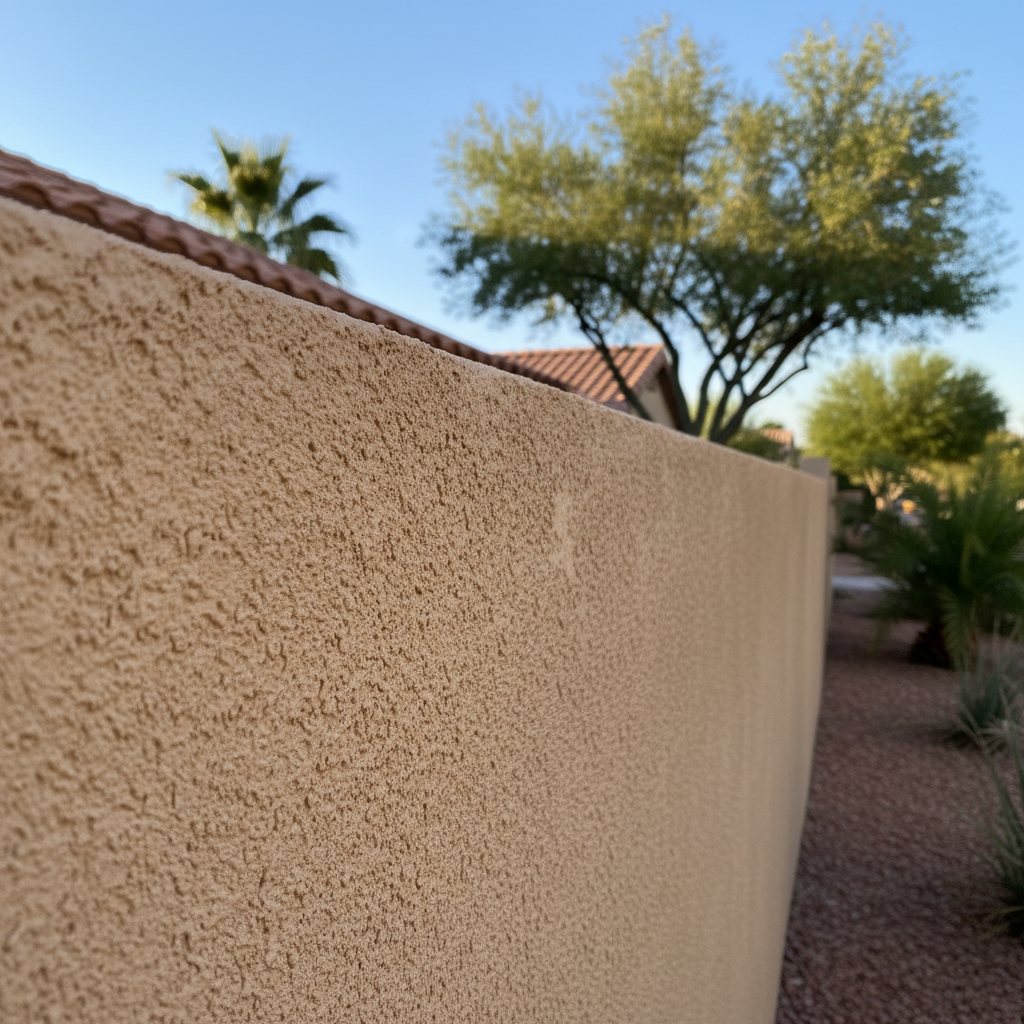
Oh, absolutely, it can! When you go for a full redash, you're putting on a brand new finish coat, which means you get to pick a completely different texture. You could easily switch from a smooth finish to a Santa Barbara, or from a rougher skip trowel to a finer sand finish. It's one of the big perks of redashing – you get a whole new look and feel. What a transformation!
If you're just doing a fog coat or a re-color (that new color coat), the existing texture will mostly stay the same, though a color coat can slightly soften or fill in very minor texture differences. But with a full redash, the world's your oyster, texture-wise. We can show you samples and chat about what would look best with your home's style and, of course, our beautiful desert landscape.
What kind of preparation is involved before redashing?
Prep work, honestly, is probably 70% of a good redashing job. You just can't cut corners here. First, we'll give the existing stucco a really good cleaning. That means power washing to get rid of dirt, grime, and any loose paint or material. Next, we'll tackle any existing cracks. Small hairline cracks might just get filled, but bigger, structural cracks will need proper repair and often meshing to stop them from coming back.
Any spots where the stucco is peeling or damaged will be removed and patched. We'll also make sure the surface is properly primed or prepped so the new stucco sticks well. This might involve putting on a bonding agent. We also protect everything around the work area – windows, doors, landscaping, concrete – with plastic sheeting and tape. You definitely don't want stucco splatter on your new pavers or desert plants. Good prep ensures the new stucco adheres, cures evenly, and looks fantastic.
How long does the redashing process usually take for a home in Gilbert?
That really depends on a few things: the size of your home, how complex the architecture is, and how much prep work we need to do. For an average 2,000-3,000 square foot single-story home, say, in the Val Vista Lakes area, you're probably looking at anywhere from 5 to 10 days from start to finish. That timeframe covers all the cleaning, repairs, masking, putting on the new stucco layers, and the final cleanup.
If there's a lot of repair work, multiple stories, or a very intricate design, it could take longer. Weather also plays a part, as I mentioned earlier. We always give you a clear timeline upfront, and we stick to it as best we can, keeping you in the loop if anything changes. Our goal is to get it done right, not just fast.
What kind of maintenance will my redashed stucco need?
Good news: redashed stucco is pretty low maintenance, especially when you compare it to some other siding options. The biggest thing is keeping it clean. Our Gilbert dust storms and hard water can certainly leave their mark. A gentle power wash once every year or two will usually do the trick. Just be careful not to use too high a pressure, as that can damage the finish.
Keep an eye out for any new cracks, particularly around windows and doors, or at the corners of your home. If you spot them, deal with them quickly. Small cracks are easy to fix; if you leave them alone, they can turn into bigger headaches. Also, make sure your sprinklers aren't constantly hitting the stucco in one spot, because that can lead to water staining and eventually deterioration. Proper drainage away from your foundation is always crucial. With just a little bit of care, your redashed stucco will look great for decades.
Will redashing improve my home's insulation or energy efficiency?
That's a common question, and the answer is: it can help, but don't expect miracles. A new layer of stucco does add a bit of thermal mass to your walls, which can give you a slight bump in insulation. It's not going to be like adding a foot of new insulation in your attic, but it can contribute to a more stable interior temperature, especially during our scorching summers and those cooler winter nights.
If your existing stucco had cracks or gaps, redashing will seal those up, which definitely helps stop air from getting in and can make your AC work a little less hard. For really significant energy efficiency gains, you'd typically be looking at things like exterior insulation and finish systems (EIFS) or adding insulation to your wall cavities. Still, a solid, well-applied redash will certainly help your home perform better than old, compromised stucco.