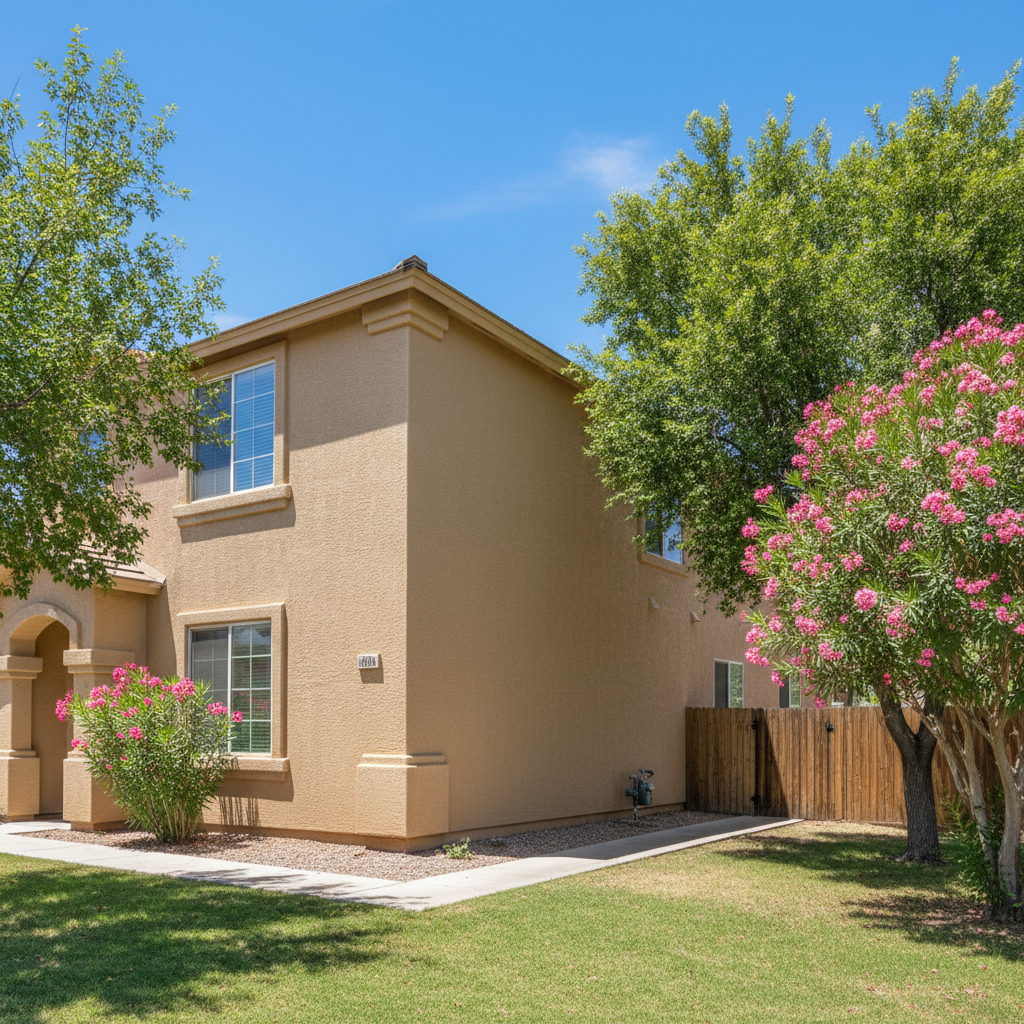
So, you think your EIFS (that's Exterior Insulation and Finish System, by the way) is totally maintenance-free? Think again. Sure, it's a super tough, energy-saving finish, especially here in Gilbert where the sun just bakes everything. But it still needs a little tender loving care to really last. Honestly, I've seen too many folks ignore their EIFS, only to end up with bigger, way more expensive problems later on. You definitely don't want that.
Making Your EIFS Last Longer
The absolute biggest thing you can do for your EIFS is pretty straightforward: keep it clean, and keep water away from it. Our Arizona sun is brutal, right? It's constantly beating down on your home. That UV exposure can really break down sealants and finishes over time. Regular cleaning helps get rid of all the dust, dirt, and even those annoying hard water stains we get from our irrigation systems — those can actually etch into the finish if you let them sit.
Water management is another huge factor. EIFS is built to shed water, but it's not a submarine, you know? Any spot where water can sneak behind the system — like through unsealed openings or cracks — is just asking for trouble. So, make sure your gutters are spotless and directing water far from your foundation. And check those sprinkler heads! I've personally seen a ton of EIFS damage because sprinklers were constantly blasting a wall, leading to moisture getting in and even algae starting to grow.
Regular Upkeep: What You Should Be Doing
You don't need to be out there with a magnifying glass every single day. But a good once-over a couple of times a year? That can save you a whole lot of grief. Here's what I usually tell people:
- Take a Look Around: Just walk around your house. Really examine all the walls, especially near windows, doors, and where different materials meet up. Do you see any cracks? Are the sealants around openings still holding tight? Pay extra attention to corners and edges; those spots often take the most stress.
- Clean It Up: Usually, a garden hose and a soft brush are all you need for a gentle wash. For tougher dirt or mildew (yes, even in the desert, particularly on north-facing walls that don't get much sun), mix a mild detergent with water. Rinse everything thoroughly afterward. And please, avoid high-pressure washers; they can actually damage the finish and force water into places it shouldn't be.
- Check Those Sealants: This is critical. The caulk around your windows, doors, and any other penetrations (like hose bibs, electrical conduits, or dryer vents) is your first line of defense against water. If you notice any cracking, shrinking, or separation, it absolutely needs to be fixed or replaced.
- Mind Your Landscaping: Keep plants and shrubs trimmed back from the EIFS. They can trap moisture against the wall, block air circulation, and sometimes their roots can even cause damage if they're too close to the foundation.
Signs of Trouble to Watch For
Knowing what to look for can help you catch problems before they turn into massive repairs. Don't ever ignore these things:
- Cracks: Hairline cracks are pretty common and often just on the surface. But if you see cracks wider than a credit card, or if they're spreading out like a spiderweb, that's a serious warning sign.
- Bulges or Soft Spots: Gently press on the EIFS. If you feel soft spots, or if parts of it are bulging out, that's a strong hint that moisture is trapped behind the system. This is a big deal.
- Discoloration or Staining: Dark streaks, mold, mildew, or algae growth, especially around windows or at the bottom of walls, can point to water getting in or drainage issues.
- Separation: If the EIFS finish is peeling or delaminating from the wall underneath, you've got a problem. It often looks like flaking paint.
- Damaged Sealants: Like I said before, cracked or missing caulk around openings is basically an open invitation for water.
- Impact Damage: Dents or holes from hail, a stray baseball, or even just bumping the wall with a lawnmower can compromise the whole system.
When to Call a Pro
Listen, I'm all for doing things yourself, but some jobs are just better left to the experts. If you spot any of those serious warning signs — widespread cracking, bulges, soft spots, or significant water staining — it's definitely time to call someone like us at Peak Stucco Solutions. These kinds of issues usually mean water is getting behind the EIFS, and that can quickly lead to rot, mold, and structural damage if you don't deal with it fast and correctly.
Even for replacing sealants, if you're not comfortable tackling it yourself, or if it's in a hard-to-reach spot, don't hesitate to give us a call. A proper seal is absolutely critical. We've got the experience to figure out exactly what's going on and make sure the repair is done right, protecting your investment and keeping your Gilbert home looking great for years. Seriously, don't wait until a small problem blows up into a huge headache.